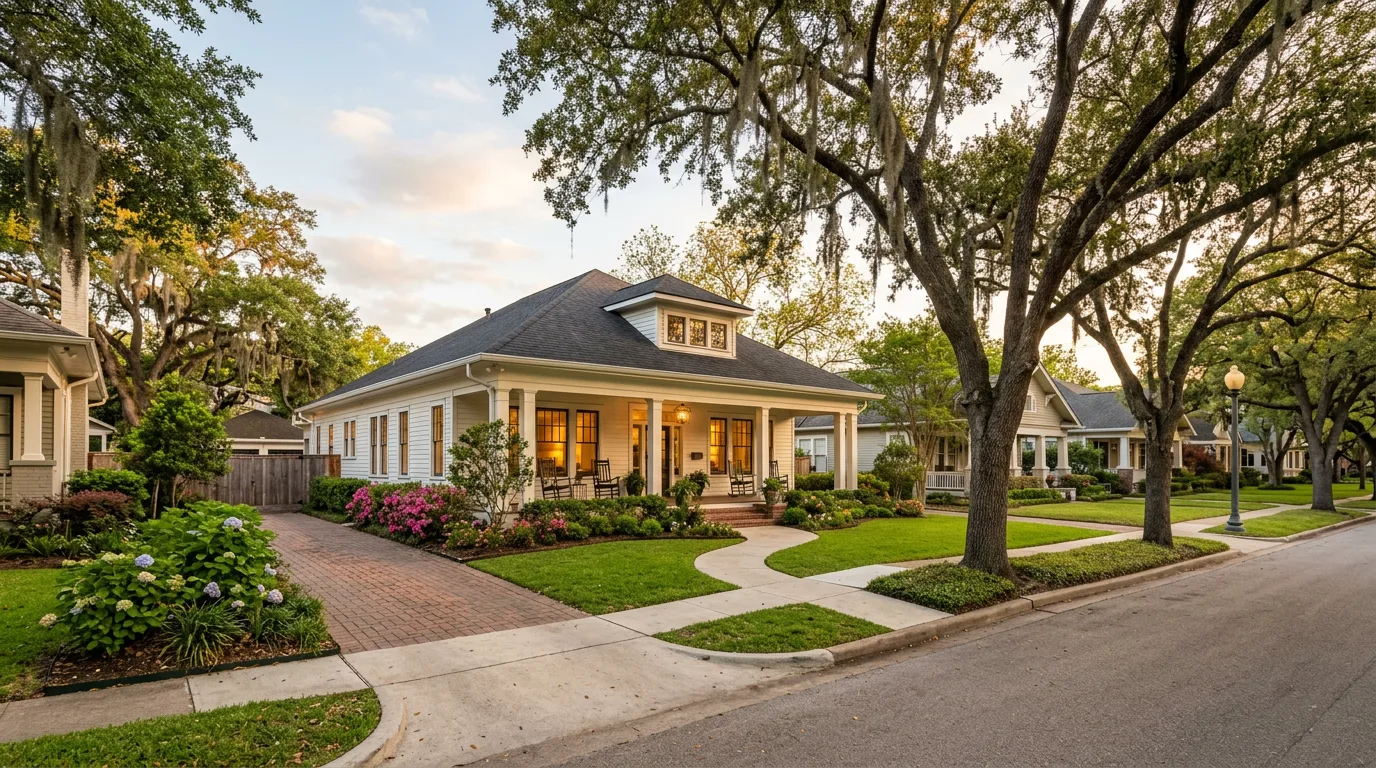
Probate Real Estate in Harris County, Texas
Harris County — home to Houston, the fourth-largest city in the United States — processes more probate filings than any other county in Texas. With a population exceeding 4.7 million and an estimated 14,000 or more probate cases opened annually, the Houston probate market is large, fast-moving, and highly varied. Understanding how the process works locally is critical for heirs and executors trying to protect estate assets.
Harris County Probate Courts
Harris County has four dedicated statutory probate courts, all located at the Harris County Civil Courthouse in downtown Houston:
Harris County Civil Courthouse 201 Caroline St, Houston, TX 77002
The county’s statutory probate courts handle estate matters full-time, meaning judges develop significant expertise in probate law. This specialization generally results in more predictable rulings and clearer timelines compared to smaller counties where probate is handled by district or county courts as part of a broader docket.
How Long Does Probate Take in Harris County?
- Independent administration with a valid will: 4–6 months to obtain Letters Testamentary
- Muniment of title (no debts, clear will, single asset): 6–10 weeks
- Dependent administration: 9–18 months depending on complexity
- Intestate estate (no will): 6–12 months; community property determinations can extend this
- Contested estate or will dispute: 18–36+ months
Houston’s active real estate market creates a practical tension: homes can sit on the market for weeks generating maintenance costs and property tax liability while probate runs its course. Many executors choose to begin the listing process during probate — before Letters Testamentary are issued — so the property is under contract or actively marketed the moment authority is granted.
Selling Probate Property in Houston
Houston is one of the most geographically diverse real estate markets in the country. Probate properties can range from inner-loop mid-century bungalows to sprawling ranch-style homes in the suburban ETJ. Understanding the submarket matters enormously for pricing strategy.
| Area | Probate Sale Notes |
|---|---|
| Heights / Montrose / Midtown | High demand; renovation buyers and investors compete aggressively |
| Memorial / Spring Branch | Established family neighborhoods; retail buyers dominant |
| Katy / Cypress | Suburban market; strong school districts attract families |
| Sugar Land / Missouri City | Fort Bend spillover; appraisals often support asking price |
| Pearland / League City | Southeast corridor; growing buyer demand |
| North Houston / Spring / Klein | Larger lots; some flooding history to disclose |
| Baytown / Pasadena | East Houston; industrial corridor; more investor activity |
Flood Zone Disclosures
Harris County’s history with flooding — including Hurricane Harvey in 2017 — makes flood zone status and prior flooding history a critical disclosure issue for probate properties. Texas law requires sellers to disclose known flooding history, and executors are not exempt. Failure to disclose can expose the estate to post-closing claims.
Before listing, the executor should:
- Pull the FEMA flood map panel for the property’s address
- Check the county’s flood damage database (available through the Harris County Flood Control District)
- Obtain a completed Seller’s Disclosure Notice from the estate attorney
Harris County Property Tax Considerations
Harris County’s property taxes are among the highest in the nation on a dollar basis, given Houston’s high home values and lack of state income tax. Executors should address these issues before closing:
- Homestead exemption terminates at death; the estate can request a “surviving heir” exemption for the tax year, but proactive filing is required
- Delinquent property taxes accrue at 1% per month in penalties and interest; check the Harris County Appraisal District (HCAD) for any outstanding balance
- Over-65 or disability exemptions held by the decedent do not transfer automatically — the estate may owe a tax “rollback” if the property is sold without a qualifying heir in residence
Community Property and Heirship in Harris County
Texas is a community property state, which significantly affects probate sales when a married homeowner passes. In general:
- With a will: The will controls how the decedent’s share (typically one-half of community property) passes to heirs
- Without a will: The surviving spouse retains their half; the decedent’s half passes to children under intestate succession — even if the surviving spouse is still living in the home
- Out-of-state heirs are common in large cities like Houston; they can authorize sales remotely using a power of attorney executed in favor of a local representative
Out-of-State Heirs in Harris County Probate
Houston’s status as a global energy hub and immigrant gateway means heirs of Harris County estates frequently live outside Texas — or outside the United States entirely. Texas law fully accommodates remote heirs:
- A statutory durable power of attorney allows an out-of-state heir to designate a local representative to execute documents on their behalf
- The appointed executor can sign closing documents without all heirs being physically present at the closing table
- Texas Remote Online Notarization (RON) is fully authorized — heirs abroad can notarize documents from any country without a trip to a U.S. consulate
- For international heirs, wire transfer at closing is routine and title companies are experienced coordinating cross-border disbursements
Out-of-state heirs should also be aware that Texas does not have a state inheritance tax or estate tax. Federal estate tax applies only to estates exceeding the federal exemption threshold. A probate attorney and CPA can advise on any federal obligations before the property closes.
Why Hire a Probate Real Estate Specialist in Houston?
A real estate agent experienced in Houston probate sales brings knowledge that general agents typically lack:
- Estate inventory pricing: Courts require a fair market value estimate for the estate inventory filing — a CMA from a knowledgeable agent satisfies this requirement
- Vendor coordination: Probate sales often require cleanouts, minor repairs, and estate sales before listing; a specialist maintains relationships with estate sale companies, contractors, and title companies experienced with executor’s deeds
- Investor vs. retail strategy: Some probate properties are better suited for cash investors; others will attract top-dollar offers from retail buyers with proper preparation. Knowing the difference protects estate value
- Timeline management: Coordinating listing activity with the probate attorney’s schedule prevents delays that cost the estate in carrying costs
Frequently Asked Questions — Harris County Probate Real Estate
Can I list a Houston home for sale before probate is complete? Yes. You can list the property — and even accept an offer — before Letters Testamentary are issued, provided the contract includes a contingency for executor authorization. Many buyers familiar with probate purchases will accept this contingency in exchange for a favorable price.
What type of deed is used in a Harris County probate sale? Most probate sales in Texas use an executor’s deed (when there is a will) or an administrator’s deed (when there is no will). These deeds convey clear title when the executor or administrator is properly authorized. Title companies in Houston handle these routinely.
Do I need probate court approval for every sale? Generally no. Texas law allows independent administration, which gives the executor broad authority to sell property without prior court approval. If the estate is under dependent administration, court approval may be required — your probate attorney will advise.
What happens to a Houston home with no will and multiple heirs? All heirs must agree to the sale, or one heir can petition the court for a partition or forced sale. Disputes among siblings are common in intestate estates. A probate real estate specialist can often facilitate communication between heirs and help avoid costly litigation.
Executor or heir of a Houston-area property? Our team connects Harris County families with experienced probate real estate specialists. Free, no-obligation consultations.
Free consultation
Get a Free Harris County Probate Consultation
Tell us about your Harris County probate property. We'll respond within one business day — no obligation.