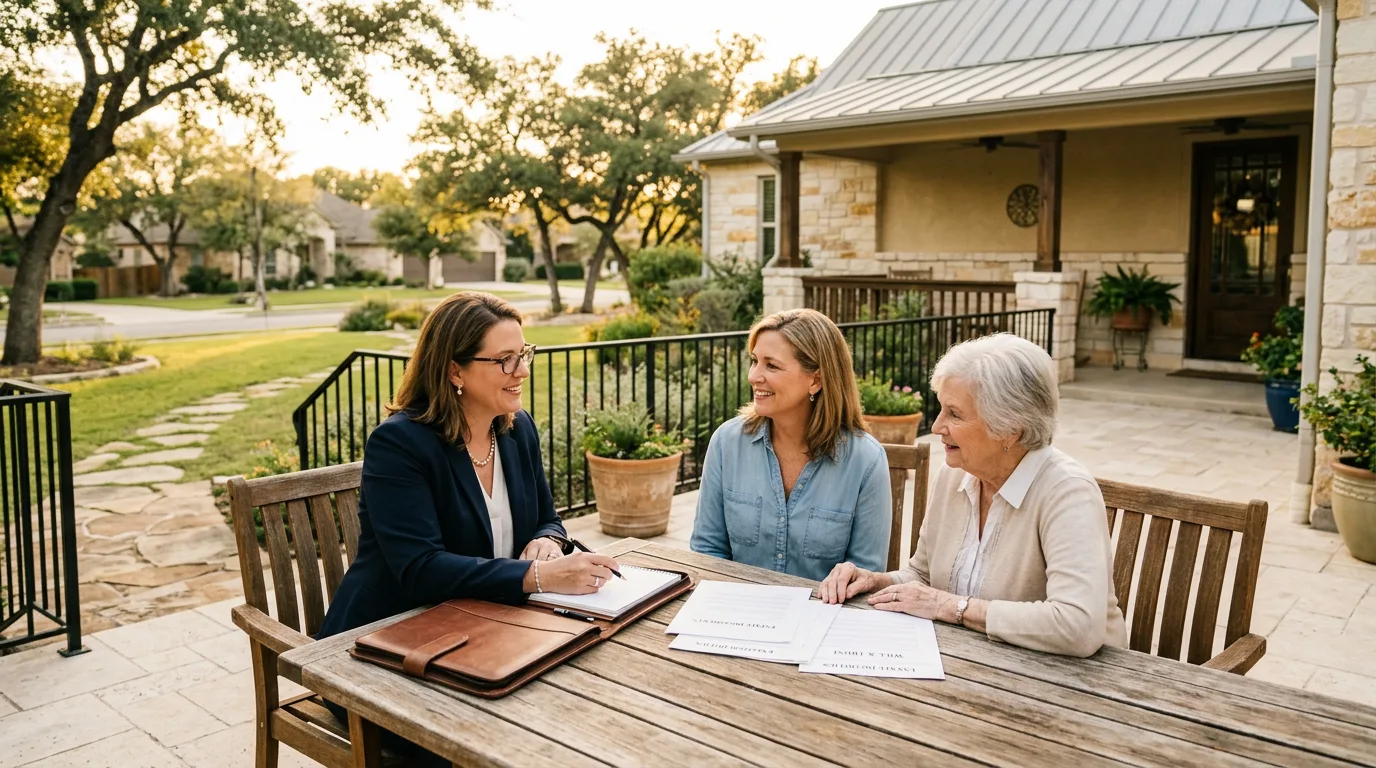
Being named executor of someone’s estate is an honor — and a serious responsibility. In Texas, executors have specific legal duties that must be carried out carefully. Missteps can expose you to personal liability. This guide covers what you’re required to do, when you have to do it, and where real estate fits into the picture.
What Is an Executor?
An executor (sometimes called a “personal representative”) is the person named in a will to carry out the deceased’s wishes. In Texas, the executor’s authority is official only after the probate court formally appoints them and issues Letters Testamentary — the legal document that lets you act on behalf of the estate.
If there is no will, the court appoints an administrator instead. The duties are largely the same.
The Executor’s Core Duties
1. File the Will and Open Probate
Your first job is filing the will with the probate court in the county where the deceased lived, along with a death certificate and an application to be appointed executor. Texas law requires probate to be opened within four years of the date of death. Don’t wait — the sooner you file, the sooner the creditor period starts and the sooner you can wrap things up.
2. Notify Heirs and Beneficiaries
After being appointed, you must give written notice to heirs and beneficiaries named in the will within 60 days (Texas Estates Code § 308.002). They have the right to know that probate has been opened and that they have an interest in the estate.
3. Publish Notice to Creditors
You’re required to publish a notice to creditors in a local newspaper once per week for two consecutive weeks. You must also mail notice to known creditors. This starts the four-month window during which creditors can file claims against the estate.
4. File an Inventory of the Estate
Within 90 days of being appointed, you must file a sworn inventory with the court listing all estate assets and their values as of the date of death. This includes:
- Real property (with estimated fair market value)
- Bank and investment accounts
- Vehicles (with VIN and estimated value)
- Life insurance policies with the estate as beneficiary
- Business interests
- Significant personal property (jewelry, art, collectibles)
Assets that pass outside probate — like jointly held property or accounts with beneficiary designations — are not included in the probate inventory.
5. Manage and Protect Estate Assets
While the estate is open, you’re responsible for preserving estate assets. For real property, this means:
- Maintaining homeowner’s insurance (check for vacancy exclusions — most policies exclude vacant homes after 30–60 days)
- Paying property taxes to prevent a tax lien
- Handling basic maintenance to prevent deterioration
- Securing the property
You are a fiduciary, which means you must act in the best interests of the estate and its beneficiaries — not your own interests. Mixing estate funds with personal funds, self-dealing, or neglecting estate assets can expose you to personal liability.
6. Pay Valid Debts and Expenses
Once the creditor period closes (four months after you qualify), you review all claims and pay those that are valid. Texas Estates Code § 355.102 establishes the order in which debts must be paid if the estate can’t cover everything:
- Funeral expenses and expenses of last illness
- Estate administration expenses (court costs, attorney fees)
- Secured claims (mortgages, liens)
- Federal taxes
- State taxes
- Other unsecured debts
7. Handle Estate Tax Obligations
Most Texas estates don’t owe federal estate tax (the 2024 exemption is $13.6 million). However, you’ll need to:
- File the deceased’s final federal and state income tax returns
- File a Form 1041 (estate income tax return) if the estate earns more than $600 in income during administration
- Issue K-1s to beneficiaries if the estate has income
Consult a CPA or estate attorney to make sure all tax filings are complete before you close the estate.
8. Distribute Assets to Beneficiaries
After debts and taxes are paid, you distribute what’s left according to the will. For real estate, this means either:
- Deeding the property to the beneficiary (if they’re keeping it)
- Selling the property and distributing the proceeds
9. Close the Estate
Under independent administration, you close the estate by filing an affidavit of completion with the court stating that all debts have been paid and assets distributed. Under dependent administration, you file a final account for court approval.
Selling Real Estate as Executor
This is where many executors have questions. Under Texas independent administration, you generally have authority to sell estate real property without specific court approval — as long as the will grants that power (most do).
To sell, you’ll need:
- Letters Testamentary (issued by the court after your appointment)
- A copy of the will showing your independent administration authority
- A title company willing to insure the transaction
The title company will require proof that you’re the duly appointed executor and that the estate has clear title. Work with an agent or attorney experienced in probate sales to make sure the transaction closes without issues.
Tip: You don’t have to wait until the estate is closed to sell real property. Many executors sell the home early in the process — sometimes within 60–90 days of being appointed — which eliminates carrying costs and makes distribution to heirs simpler. See our guide on selling before probate closes in Texas.
Can You Be Held Personally Liable?
Yes. Texas executors can be held personally liable for:
- Misappropriating estate funds — using estate money for personal expenses
- Self-dealing — buying estate property yourself at below-market price without court approval
- Negligence — failing to maintain property, missing tax deadlines, or paying claims in the wrong order
- Distributing assets before paying debts — if a creditor isn’t paid because you distributed assets first, you may owe them personally
This is why working with a probate attorney — at least for guidance — is worth it even if you’re handling most tasks yourself.
Key Deadlines to Know
| Task | Deadline |
|---|---|
| Open probate | Within 4 years of death |
| Notify heirs/beneficiaries | Within 60 days of appointment |
| Publish creditor notice | Within 30 days of appointment |
| File inventory | Within 90 days of appointment |
| Pay creditor claims | After 4-month creditor window closes |
Serving as executor of a Texas estate with real property? Download our free Texas Executor Checklist or contact us — we work with executors who need to sell inherited or probate property quickly and cleanly, with full title company support.
Free consultation
Get a Free Texas Probate Consultation
Tell us about your Texas probate property. We'll respond within one business day — no obligation.